
Opens in a new tab

Sound healing ” Working with Individuals ” training Dubai Nov. 2026. C

Categories: Workshops
Wishlist Share
1,500 AED 1,700 AED

About Course

Integrated Therapy Work · Practitioner Education
Neli Merris demonstrating one-to-one sound practice with Tibetan singing bowls and a tuning fork

Start online. Train in person.

Sound Healing Training in Dubai

Working with Individuals · With Neli Merris

Sound Healing — Working with Individuals by Integrated Therapy Work (ITW) is a hybrid practitioner training in Dubai, UAE. Study 4 hours of online video theory, then join two fully practical in-person days on 14–15 November 2026 at Eco Yoga Sanctuary. Learn Tibetan bowl and tuning fork techniques, guided relaxation and one-to-one session practice with Neli Merris.

Questions? WhatsApp +971 50 211 1382

4
Hours of online video lessonsBuild the theory foundation first
2
Fully practical days in DubaiFocus your weekend on hands-on learning
In-person dates14–15 November 2026Saturday & Sunday · 10am–6pm
Practical venueEco Yoga SanctuaryDubai, United Arab Emirates
Listed course feeAED 1,500Ask ITW for booking and payment details

The online part comes first

Learn the theory online.
Arrive ready to practise.

The updated sound healing course combines four hours of online video lessons with a fully practical weekend. Study sound foundations before the in-person training so your time in Dubai can focus on instruments, techniques and guided session practice.

  • Explore the history and principles of sound practice.
  • Build context for meditation and relaxation work.
  • Ask ITW for your video access and pre-study instructions when registering.

One-to-one sound healing training

What will you practise in person?

The two practical days develop skills for working with individual clients, using Tibetan bowls, tuning forks and guided relaxation.

01 / INSTRUMENTS

Tibetan bowls & tuning forks

Practise Tibetan vibrational bowl and weighted tuning fork techniques, including approaches used in vibro-acoustic massage.

02 / SESSION SKILLS

Meditation & relaxation

Explore bowl placement and playing sequences, then practise guiding meditation, breathwork and relaxation for one-to-one sessions.

03 / INTEGRATION

Space, aftercare & practice

Learn session-space preparation and aftercare, and explore how sound can complement an existing yoga, massage or wellness practice.

RYT 500 · Sound Healing Therapist

Learn with Neli Merris

Neli Merris brings over a decade of experience in sound healing, vibro-acoustic massage, energy work and yoga. Neli is also a breathwork and movement facilitator, with experience offering private, group and corporate sound sessions.

Read Neli Merris’s instructor profile

Who is this training for?

This practitioner training is relevant to yoga teachers, massage and wellness practitioners, and people exploring one-to-one sound practice. Contact ITW to confirm suitability, prerequisites and the venue’s attendance requirements before booking.

Invest in your practice

AED 1,500

Current listed course fee.
Confirm the offer and payment arrangements with ITW.

  • 4 hours of online video theory and 2 practical in-person days.
  • Full manual with techniques and practices.
  • Recorded guided sound journey and ongoing support from Neli.
  • Certificate of completion after successful assessment.

Clear answers before you book

Sound healing course Dubai: frequently asked questions

Is the sound healing training online or in person?

The training is hybrid: four hours of online video lessons followed by two fully practical in-person days in Dubai. Contact ITW for video access and the recommended pre-study instructions.

When and where is the November training?

The practical training takes place on 14–15 November 2026, from 10am to 6pm both days, at Eco Yoga Sanctuary in Dubai, UAE.

What does the sound healing course in Dubai cost?

The current listed fee is AED 1,500. Contact Integrated Therapy Work to confirm the current offer, payment arrangements and registration details.

Which instruments and skills will I learn?

The course includes Tibetan vibrational and singing bowls, weighted tuning forks, guided meditation and relaxation, session-space preparation and aftercare. The focus is on working one-to-one with individuals.

Do I need previous sound healing experience?

The published course page does not specify entry prerequisites. Contact ITW before registering to confirm whether the training suits your experience and to check any attendance requirements.

Will I receive a certificate of completion?

A certificate is issued after successfully facilitating a vibrational sound session and answering theory questions. Ask ITW to confirm the certificate title and continuing-education eligibility, including any YACEP hours, for this cohort.

Ready to train with Neli?

Start with online theory. Join the practical weekend in Dubai.
14–15 November 2026 · WhatsApp +971 50 211 1382

Register Now

Last updated: 26 October 2026 · Integrated Therapy Work (ITW)

Course Content

CORE THEORY CONTENTS
The Core Theory provides the essential knowledge needed before moving into practical sound healing work. It covers the foundations and history of sound healing, the basic principles of sound, vibration, frequency, resonance, rhythm and harmonics, and how sound is experienced through the body, brain, nervous system, emotions and memory. It also explores brainwaves, entrainment, physical vibration, somatic and emotional release, meditation, cymatics, healing frequencies, coherence, chakras, subtle energy and intention. The final modules focus on individual response, safety, professional practice and evidence, helping practitioners understand how to work responsibly and adapt sound to each person. Overall, the Core Theory brings together science, tradition, energy and practical understanding to create a strong foundation for working with both individuals and groups.

  • CONTENTS

MODULE 1 — FOUNDATIONS
Sound healing is the intentional use of sound, vibration, rhythm and silence to support wellbeing and create shifts in our physical, mental, emotional and energetic state. Sound can influence us on several levels at the same time. We may hear it through the ears, feel vibration through the body, respond through the nervous system, experience emotions or memories, and enter deeper states of meditation or awareness. The effects of sound are not created by one single mechanism. They arise through the interaction of the body, brain, breath, nervous system, emotions, attention, environment and personal meaning. Sound healing is best understood as a complementary wellbeing practice. The practitioner does not “heal” or force a particular outcome, but creates supportive conditions for relaxation, regulation, awareness, connection and integration. Key takeaway: Sound affects the whole person — body, mind, emotions, energy and awareness — and each individual may respond differently.

MODULE 2 — HISTORY and EVOLUTION
Sound has been used for healing, ritual, meditation, prayer and altered states of awareness for thousands of years. Different cultures developed their own practices using chanting, mantra, drumming, rhythm, sacred music and voice. These traditions show that people have long recognised the ability of sound to influence emotion, consciousness and wellbeing. Modern sound healing developed through several important influences, including: Pythagoras — explored harmony, number and the relationship between music and wellbeing. Hans Jenny — popularised cymatics and the study of visible patterns created by vibration. Alfred Tomatis — explored hearing, listening and the effects of sound on human development. Peter Guy Manners — developed frequency-based vibrational approaches. Fabien Maman — combined sound, tuning forks, acupuncture and energetic principles. Jonathan Goldman and Steven Halpern — helped popularise modern sound healing, meditation music and therapeutic sound. Key takeaway: Modern sound healing is an evolving field that brings together ancient traditions, music, vibration, meditation, holistic wellbeing and modern scientific understanding.

MODULE 3 — ESSENTIAL SOUND THEORY
Sound begins with vibration. When something vibrates, it creates sound waves that travel through a medium such as air, water or body tissues. The main terms sound practitioners need to understand are: Frequency — how fast something vibrates, measured in Hertz (Hz) Pitch — how high or low a sound is perceived Amplitude / Intensity — the strength of the vibration Harmonics / Overtones — additional frequencies that give sound richness and depth Rhythm — the timing and repetition of sound Resonance — when a system responds strongly to a particular vibration Sound healing is not about one frequency alone. The experience is created by the combination of frequency, volume, tone quality, rhythm, duration, resonance and silence. Key takeaway Understanding the basic qualities of sound helps practitioners use vibration more intentionally, sensitively and effectively.

MODULE 4 — HEARING and PERCEPTION
We experience sound not only through the ears, but also through the brain, body, emotions and memory. The hearing system converts sound vibrations into signals that the brain interprets. Our response is then shaped by factors such as past experiences, culture, mood, expectations, personal preference and sensitivity. Because of this, the same sound can feel calming to one person and uncomfortable to another. Key takeaway: Sound is both a physical vibration and a personal experience — each person may respond differently.

MODULE 5 — RHYTHM, BRAIN and ENTRAINMENT
Rhythm and repetition can influence attention, movement, breathing and states of awareness. Entrainment describes the tendency of rhythms in the body or brain to coordinate with an external rhythm. Sound may also support shifts toward more relaxed or focused states associated with different brainwave patterns, such as alpha, theta and delta. These responses are not automatic or identical for everyone, and the brain does not simply “become” one frequency. Key takeaway: Rhythm and repetition can help guide attention and support changes in relaxation, focus and awareness.

MODULE 6 — NERVOUS SYSTEM and COHERENCE
Sound can influence the autonomic nervous system, which helps regulate functions such as breathing, heart rate, digestion and our stress response. Gentle rhythm, repetition, slower breathing, focused attention and a sense of safety may help the body shift from stress and activation toward relaxation and recovery. The vagus nerve is an important part of the parasympathetic nervous system and supports rest, regulation and recovery. Sound does not simply “switch on” the vagus nerve, but it can support nervous-system regulation through breath, attention, emotion and relaxation. Key takeaway: Sound can support nervous-system regulation by helping the body move toward greater relaxation, balance and coherence.

MODULE 7 — VIBRATION and THE BODY
Sound is a form of mechanical vibration, and the body can experience it not only through hearing but also through tissues, bones and touch receptors. Because the body is highly hydrated and made of soft, responsive tissues, vibration can travel through it and create a physical sensation. This is one reason sound may be experienced as calming, grounding or releasing. Mechanical vibration can also influence cells and tissues through a process called mechanotransduction, where physical forces are converted into biological signals. Key takeaway Sound is not only heard — it can also be physically felt throughout the body, and vibration may support relaxation, body awareness and physical wellbeing.

MODULE 8 — EMOTIONAL RELEASE, MEDITATION and CONSCIOUSNESS
Sound can influence our emotions, memories, body awareness and state of consciousness. During deep relaxation, people may notice responses such as deeper breathing, sighing, tears, warmth, tingling, movement or a sense of release. Sound can also bring memories or emotions into awareness and help habitual patterns of tension begin to soften. Sound may support this process by encouraging relaxation, inward attention, slower breathing, increased body awareness and a sense of safety. Sound can also be used as a meditation anchor, helping the mind become more focused, present and absorbed. Key takeaway Sound can create space for emotional awareness, somatic release, meditation and deeper inner connection — but release should never be forced or expected.

MODULE 9 — CYMATICS and FREQUENCY
Cymatics shows how vibration can create visible patterns in materials such as sand, water or other substances. The patterns change depending on the frequency, intensity, material and shape of the surface. In sound healing, certain frequencies such as 432 Hz, 528 Hz and Solfeggio frequencies are often used because of traditional, symbolic or experiential associations. Research into specific therapeutic frequencies is still developing, so they should not be presented as guaranteed to heal particular organs or conditions. Coherence can be understood as greater balance and coordination between different systems in the body, such as breathing, heart rhythm and nervous-system activity, and in energetic terms as a greater sense of alignment and balance. Key takeaway Frequency is important, but the effect of sound depends on the whole experience — including rhythm, intensity, harmonics, intention, environment and the individual receiving it.

MODULE 10 — ENERGY, CHAKRAS and INTENTION
Many traditional healing systems describe a subtle energetic body, using concepts such as Prana, Qi, Nadis, Meridians, Chakras and the Aura/Biofield. In sound healing, vibration can be combined with breath, attention, mantra, intention and focused awareness to support a sense of energetic balance and alignment. The chakra system is commonly used as a practical framework. Traditional yogic practices connect chakras with seed sounds or mantras, while modern sound healing also uses musical-note correspondences such as C–B across the seven main chakras. These energetic systems are traditional and experiential frameworks rather than established anatomical structures, but many practitioners find them useful for guiding intention, awareness and therapeutic sound work. Key takeaway Sound can be used as a bridge between vibration, breath, awareness and intention to support energetic balance and deeper inner connection.

MODULE 11 — INDIVIDUAL RESPONSE and SAFETY
Every person experiences sound differently. A sound that feels calming and supportive to one person may feel uncomfortable, intense or triggering to another. Responses can be influenced by hearing sensitivity, past experiences, trauma, culture, mood, neurodiversity, physical condition and personal preference. For this reason, practitioners should work with consent, appropriate volume, clear communication and awareness of the individual’s responses. Safe practice means observing the participant throughout the session and adjusting when necessary. Signs such as ear discomfort, ringing, headache, dizziness, agitation, nausea or emotional overwhelm should never be ignored. Key takeaway There is no universally therapeutic sound — safe practice means listening, observing and adapting the experience to the individual.

MODULE 12 — EVIDENCE and PROFESSIONAL PRACTICE
A professional sound healing practitioner should understand that not all sound healing concepts have the same level of scientific evidence. Some principles are well established, such as sound being vibration, the role of hearing and the nervous system, and the risks of excessive sound exposure. Other areas, such as specific frequency-based effects or vibroacoustic applications, are still emerging and being researched. Energetic concepts such as chakras, subtle energy and frequency correspondences are better presented as traditional or experiential frameworks rather than proven medical facts. Professional practice also means using responsible language, avoiding guaranteed healing claims, and clearly presenting sound healing as a complementary wellbeing practice. Key takeaway A responsible practitioner respects both science and tradition, while being clear about what is established, what is emerging, and what is experiential.

MODULE 13 — INTEGRATION
Sound healing works through a combination of vibration, the physical body, brain and nervous system, breath, emotions, memory, attention, energy and consciousness. The practitioner’s role is not to force healing or a particular response, but to create a safe and supportive environment where the participant can relax, become more aware of their body and inner state, and experience sound in their own way. Effective practice brings together knowledge, intuition, intention, observation, appropriate sound choices and silence. These core principles provide the foundation for working safely and confidently with both individuals and groups. Key takeaway Sound healing is a whole-person experience — the practitioner creates the conditions, while each individual’s body and nervous system respond in their own unique way.

Earn a certificate

Add this certificate to your resume to demonstrate your skills & increase your chances of getting noticed.
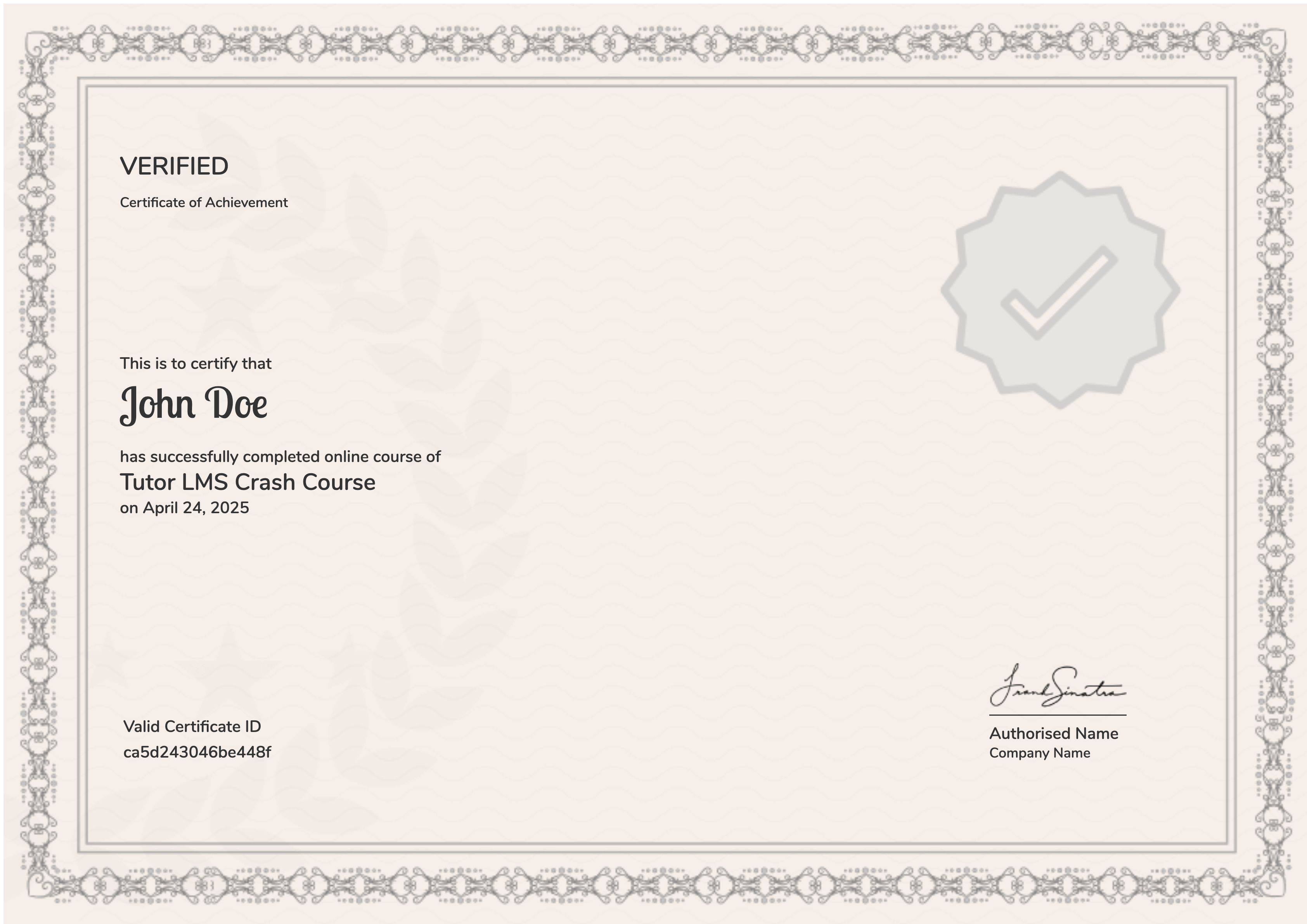
selected template

Student Ratings & Reviews

No Review Yet
No Review Yet
whatsapp-logo
Need Help?

Get 10% Off Your Next ITW Training!

Help shape the future of ITW workshops by answering a few quick questions.
Your feedback guides our next training and you’ll receive an exclusive 10% discount as a thank-you.